Reviewing the 7th Grade Embroidery Design for Real Projects
As a designer who has spent years digitizing patterns and testing them on everything from flimsy rayon to heavy denim, I approach every new machine embroidery design with a mix of curiosity and skepticism. We have all been there: you download a cute graphic, load it onto your machine, and watch in horror as the thread nests into a bird’s nest because the density was off or the details were too fine for the fabric. That is why I took a close look at the 7th Grade design from School Amp. This isn’t just about whether it looks good on a screen; it is about how it performs when the needle hits the fabric.
First Impressions and Visual Personality
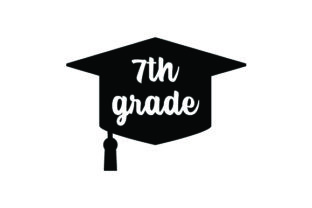
The first thing that strikes me about the 7th Grade design is its clean, academic aesthetic. It captures that specific transitional moment in a student’s life—no longer a little kid, but not quite a high schooler yet. The layout feels balanced, avoiding the clutter that often plagues school-themed graphics. For those of us in the crafts industry, clarity is king. A design that reads well from three feet away is infinitely more valuable than one that requires a magnifying glass.
The visual personality here is versatile. It does not scream "childish," which makes it suitable for a wider age range within the middle school demographic. When I visualize this stitched out, I see strong potential for both playful and sophisticated applications, depending entirely on your choice of thread colors and fabric texture. It feels like a design that respects the wearer, offering a sense of pride rather than just a label.
Real-World Application: The Custom Sweatshirt Test
To truly evaluate an embroidery file, you have to imagine it in a real-life scenario. Let’s say a client comes to your small shop product line asking for a back-to-school gift for their seventh grader. They want something durable, stylish, and personal. I immediately picture this design centered on the chest of a high-quality cotton blend sweatshirt.
In this context, the 7th Grade design shines. On a sweatshirt, the fabric has enough loft to support standard stitch types without sinking in. If the design utilizes a mix of satin stitch for borders and fill stitch for larger areas, it will create a nice tactile contrast. I would recommend using a cut-away stabilizer here to ensure the garment maintains its shape after repeated washing. The result is a personalized gift that feels premium, not like a mass-produced item from a big-box store.
Beyond apparel, consider a canvas tote bag design. Middle schoolers carry a lot of gear. Embroidering this motif on a sturdy tote adds durability and style. The rigid nature of canvas handles dense stitching well, allowing the design to pop without distorting the bag’s structure. This is where understanding your materials becomes crucial for any Etsy seller or craft business owner.
Navigating Fabric Challenges and Hoop Constraints
While the design is strong, no digital embroidery file is universal. There are situations where you need to proceed with caution. If you are planning to use this on thin or stretchy fabrics, such as a lightweight performance tee or a silky blouse, you must be mindful of stitch density. High-density areas can cause puckering, ruining the clean lines of the text or graphic elements.
For these delicate projects, I always advise running a test on scrap fabric first. Use a tear-away stabilizer for woven fabrics that don’t stretch, but switch to a cut-away for knits. If the design includes tiny lettering or intricate corners, check your machine’s capability. Smaller hoop size limitations might require you to split the design or reduce its scale, which could compromise readability. Always inspect small details at 100% zoom in your software before sending it to the machine.
Another common pitfall is dark fabric. If you are stitching white or light-colored threads on a navy or black hoodie, you need to ensure the underlay stitches are sufficient to prevent the background fabric from showing through. This is a hallmark of professional commercial embroidery. A quick test run can save you from having to unpick hours of work.
Commercial Viability and Brand Consistency
For creative entrepreneurs and digital product sellers, the versatility of the 7th Grade design is a major asset. It fits seamlessly into a broader collection of school-themed items. Imagine offering a bundle that includes matching designs for different grades. This creates brand consistency and encourages repeat customers. Parents often buy for multiple children, so having a cohesive look across different grade levels increases the perceived value of your design assets.
The formats provided—SVG File, Transparent PNG, EPS, and DXF—are essential for modern selling. While the DXF is key for embroidery machines, the SVG and PNG files allow you to create high-quality printable mockup images for your online listings. Being able to show customers exactly how the finished product will look on a shirt or bag before they buy is critical for conversion rates. It builds trust and reduces return requests.
Practical Designer Notes for Best Results
Before you launch this design into your production line, keep these practical tips in mind:
- Check Thread Contrast: Ensure your thread color stands out against the fabric. High contrast improves readability, especially for school logos or text-based designs.
- Test Stitch Density: If the design feels too stiff after stitching, consider reducing the density in your editing software. This is particularly important for items that need to remain soft, like baby embroidery projects or blankets.
- Verify Licensing: Always confirm the license terms before selling finished items. Most designers allow commercial use for physical products, but restrictions may apply to digital resale. Protect your craft business by staying compliant.
- Mockup Variations: Create mockups on both light and dark backgrounds. This helps customers visualize the design on their preferred clothing colors.
- Curved Surfaces: If applying this to caps or hats, remember that the curvature affects how the design lays flat. You may need to adjust the pull compensation to prevent distortion.
Final Verdict on the 7th Grade Design
The 7th Grade design from School Amp is a solid addition to any embroiderer’s library. It balances aesthetic appeal with practical functionality. It is not overly complex, which makes it accessible for hobbyists, yet it has enough presence to satisfy professional standards for custom apparel and holiday embroidery gifts.
Whether you are creating an embroidered patch for a jacket, a special wedding gift for a young relative, or stocking up for the back-to-school rush, this design holds up. It reminds us that good design is not just about looking pretty; it is about solving a problem for the customer. In this case, the problem is finding a stylish, age-appropriate way to celebrate a milestone year. With proper technique and attention to detail, this embroidery project will result in a high-quality product that customers are proud to wear and share.
Remember, the success of any handmade product lies in the execution. Take the time to prep your fabric, choose the right stabilizer, and thread your machine with care. The 7th Grade design gives you a great foundation; your skill brings it to life.