Reviewing Ready to Rock 2nd Grade for Embroidery Projects
As a designer who spends more time staring at stitch simulations than I do sleeping, I have learned that not all digital files are created equal. Some look fantastic on a screen but turn into a tangled mess of thread breaks and puckering on fabric. Others are workhorses—clean, reliable, and visually striking. When I pulled up Ready to Rock 2nd Grade from the School Amp collection, my initial goal was simple: determine if this design holds up under the needle for real-world commercial and personal use.
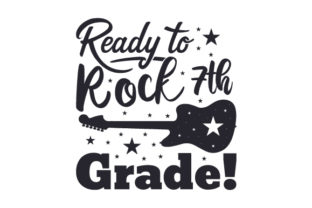
The first impression is crucial. This design exudes a playful, energetic vibe that perfectly captures the excitement of moving up a grade level. It is not just text; it is a statement piece. For those of us in the craft business, specifically Etsy sellers and small shop owners, finding designs that resonate emotionally with customers is half the battle. This piece feels like it belongs on a backpack, a favorite hoodie, or a commemorative tote bag. But does it stitch as well as it looks? Let’s dive into the practical details.
Visual Appeal and Design Layout
The layout of Ready to Rock 2nd Grade is balanced and bold. In the world of embroidery, negative space is your friend. This design utilizes spacing effectively, ensuring that the elements do not crowd each other. When evaluating a machine embroidery design, I always look at the flow. Here, the typography and graphical elements work together to create a cohesive unit. The visual personality is youthful without being childish, which broadens its appeal. It works for a seven-year-old starting second grade, but it also has enough style to look good on a teacher’s apparel or a parent’s supportive gear.
From a technical standpoint, the shapes appear clean. There are no unnecessary anchor points or overly complex curves that typically cause issues in digitizing. This suggests that the underlying stitch file—whether you are using the SVG File, Transparent PNG, EPS, or DXF formats provided—should translate well into satin stitch or fill stitch applications depending on how you choose to render it in your software. For a designer, having access to multiple formats like these is a significant advantage. It allows for flexibility in resizing and editing before sending the job to the hoop.
Real-World Application: The Sweatshirt Test
To truly evaluate a design, you have to imagine it on a finished product. I envisioned this design on a heather grey youth-sized sweatshirt. This is a classic back-to-school item that parents love to personalize. The contrast between bright thread colors and the muted grey fabric would make the design pop. However, sweatshirts present a challenge: texture. The looped surface of fleece or French terry can sometimes swallow small details.
In this case, the bold nature of Ready to Rock 2nd Grade works in its favor. The lines are thick enough to remain visible against the fabric texture. If I were producing this for a client, I would opt for a slightly higher stitch density to ensure coverage, but not so high that it causes stiffness. A medium-weight cutaway stabilizer would be essential here to support the weight of the stitching and prevent the garment from distorting over time. This attention to detail is what separates a homemade look from a professional handmade product.
Versatility Across Products
Beyond sweatshirts, where else does this design shine? I see strong potential in several areas:
- Tote Bag Design: Canvas bags are durable and provide a flat, stable surface for embroidery. This design would look excellent centered on a natural cotton tote, creating a functional and cute school accessory.
- Embroidered Patch: Because the design is self-contained, it would work beautifully as an iron-on or sew-on patch. This allows customers to add the "Ready to Rock" spirit to jackets or jeans without committing to direct embroidery on the garment.
- Custom Apparel: Think beyond kids. Teachers often wear themed shirts during the first week of school. This design fits perfectly into that niche market.
- Holiday Embroidery and Gifts: While primarily a school theme, it serves as a great milestone gift. Grandparents love personalized items that mark specific ages or grades.
Technical Considerations and Pitfalls
No design is universal, and honest review requires discussing limitations. While Ready to Rock 2nd Grade is robust, there are scenarios where caution is needed. If you are working with stretchy fabric, such as a lightweight athletic tee, you must be careful with hoop tension. Over-stretching the fabric in the hoop can lead to distortion once the item is washed. Always use a proper stabilizer, and consider testing on scrap fabric first.
Another consideration is hoop size. Ensure your machine’s hoop can accommodate the full width of the design. If you are forced to resize it significantly to fit a smaller hoop, you risk losing clarity in any finer details. Always check the dimensions of the digital embroidery file before purchasing or stitching. Additionally, if you are using dark fabric, remember that the design might need a underlay or background fill if it relies heavily on light thread colors, though the bold lines here likely stand on their own.
For those interested in applique design techniques, this file format versatility (SVG, EPS) allows you to potentially convert elements into applique pieces if you want to reduce stitch count and add fabric texture. This is a great way to manage stitch density on delicate items like baby clothes, where too many stitches can feel scratchy or heavy against sensitive skin.
Business Value for Craft Entrepreneurs
For the Etsy seller or creative entrepreneur, the value of a design lies in its sellability. Ready to Rock 2nd Grade taps into a seasonal market that is consistently strong. Back-to-school shopping is a major revenue driver for small shops. Having a high-quality, versatile asset in your library means you can create multiple listings: one for shirts, one for bags, one for patches. This maximizes the return on your design investment.
Furthermore, the professionalism of the design builds customer trust. When a buyer receives a product with clean stitching, no loose threads, and a clear image, they are more likely to leave a positive review and return for future purchases. Using reliable design assets like this helps maintain brand consistency. It shows that you care about quality, not just quick production.
Pre-Stitch Checklist
Before you run this design on your final product, follow these practical steps:
- Check Thread Color Contrast: Simulate the design in your software using the actual thread brands you own. Ensure the colors pop against your chosen fabric.
- Test on Scrap Fabric: Never skip this step. Use the same fabric and stabilizer combination you plan to use for the final item.
- Inspect Small Details: Zoom in on the digitized view. Look for any potential jump stitches or dense areas that might need tweaking.
- Confirm Licensing: Always verify the license terms for commercial use. Since this is part of a larger collection, ensure you are compliant with the creator’s rules for selling finished products.
- Mockup Testing: Create printable mockups or digital previews to show customers how the design looks on different items before you even stitch a single thread.
Final Verdict
In the crowded market of digital embroidery files, Ready to Rock 2nd Grade stands out as a reliable, stylish, and practical choice. It balances aesthetic appeal with technical feasibility. For designers, it offers a clean canvas for creativity. For business owners, it offers a marketable product with broad appeal. Whether you are making a personalized gift for a nephew or stocking your online store with back-to-school essentials, this design delivers. Just remember to respect the materials, use the right stabilizer, and let the design do what it does best: make a statement.