What Did You Try Hard at Today: Crafts for School Amp
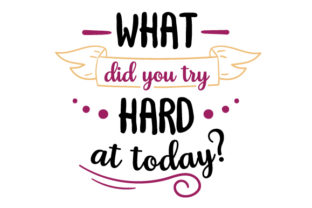
As a brand designer and content marketer, I approach every new graphic design asset with a critical eye toward utility and emotional resonance. When I first opened the files for "What Did You Try Hard at Today," my immediate impression was one of authentic encouragement. In a digital landscape often saturated with aggressive sales tactics and overly polished perfection, this piece offers a refreshing pause. It speaks directly to the effort behind the result, a sentiment that resonates deeply with educators, parents, and creative entrepreneurs alike. The mood it creates is supportive and grounded, making it an ideal candidate for small business branding that values community and personal growth over flashiness.
Strategic Application in Modern Campaigns
To truly evaluate the potential of this creative design, I imagined a real-world scenario: a small educational supply store launching a back-to-school campaign focused on resilience and the learning process rather than just grades. In this context, "What Did You Try Hard at Today" becomes more than just text; it is a conversation starter. For School Amp related projects, this asset fits seamlessly into a narrative that celebrates the struggle and triumph of learning. Whether used on a product label for a stationery bundle or as a central motif on a printable design for a classroom reward chart, the message reinforces a growth mindset.
The versatility of this digital product shines when considering its application across various marketing channels. For social media graphics, particularly on Instagram and Pinterest, the phrase serves as an excellent hook for engagement. A post featuring this text against a textured background can invite followers to share their own daily victories in the comments, driving algorithm-friendly interaction. For Facebook ads targeting parents or teachers, the asset provides an emotional anchor that differentiates the brand from competitors focusing solely on academic performance. It transforms a standard promotional post into a piece of content marketing that adds value to the viewer's day.
Visual Hierarchy and Brand Consistency
From a technical standpoint, the availability of multiple file formats—specifically the SVG design, Transparent PNG, EPS, and DXF—ensures that this asset can be integrated into virtually any workflow without losing quality. As a designer, I prioritize assets that maintain crisp edges whether they are scaled down for a product label or blown up for a large event poster. The vector capabilities of the SVG and EPS files mean that "What Did You Try Hard at Today" can be adapted to fit specific brand identity guidelines, allowing for color adjustments that match existing palettes.
In terms of visual hierarchy, this phrase works best when given space to breathe. It should not be crowded by excessive decorative elements. When designing editorial layouts for a blog or a digital magazine, placing this text as a pull quote or a section header creates a strong focal point. It guides the reader's eye and breaks up dense information, improving readability and retention. For web design, using this as a hero graphic on a landing page dedicated to educational resources can immediately establish an empathetic tone, fostering audience trust before the user even scrolls further.
Enhancing Audience Connection and Trust
The core strength of "What Did You Try Hard at Today" lies in its ability to forge an emotional connection. In professional branding, we often forget that people buy from people, and they connect with stories of effort and perseverance. By incorporating this illustration or text design into packaging design, such as a thank-you card included in a shipment, a brand signals that it cares about the customer's journey. This subtle touch can significantly improve customer loyalty and perceived brand value. It moves the interaction from a simple transaction to a shared experience of overcoming challenges.
For digital ads and lead magnets, this asset supports marketing goals by offering a clearer, more human visual voice. Instead of shouting "Buy Now," it asks a reflective question that stops the scroll. This approach leads to better engagement rates because it invites participation rather than demanding attention. When used in Canva templates sold to other creators, it provides them with a ready-made element that adds depth to their own offerings, making their design bundle more attractive to buyers looking for meaningful content.
Practical Designer Notes and Limitations
While "What Did You Try Hard at Today" is a powerful tool, it must be used with intention. There are specific contexts where caution is advised. For instance, in formal corporate branding or high-stakes financial communications, the casual and emotive nature of the phrase might feel out of place. Similarly, in dense information layouts where data visualization is key, adding this element could distract from the primary message. It is also crucial to test readability on small mobile graphics; if the font weight is too light or the background too busy, the message may get lost on smaller screens.
Before deploying this commercial design in client work, I recommend several practical steps. First, test the asset against your specific brand color palette. While the transparent PNG offers flexibility, ensuring sufficient contrast is vital for accessibility. Second, preview the design in black and white to confirm that the visual impact holds up without color reliance. Third, compare it against competitor visuals to ensure your campaign stands out rather than blends in. Finally, always verify the commercial license terms. Understanding the scope of usage rights is essential when utilizing assets from a creative marketplace for paid campaigns or merchandise intended for resale.
Final Verdict on Utility and Style
Ultimately, "What Did You Try Hard at Today" is a standout design asset for those looking to inject humanity into their marketing visuals. Its strength lies in its simplicity and its profound relevance to the Crafts and education sectors. Whether utilized for stickers, merchandise, or email banners, it delivers a consistent message of validation. For brand owners and content creators, it represents an opportunity to shift the narrative from perfection to progress. By integrating this modern design element thoughtfully, businesses can create campaigns that are not only visually appealing but also deeply resonant with their target audience.
In conclusion, this asset is highly recommended for projects requiring a touch of empathy and encouragement. It excels in hero graphics, campaign headers, and branded templates where the goal is to inspire. However, like any tool, its effectiveness depends on the skill of the designer wielding it. By respecting its limitations and leveraging its emotional weight, "What Did You Try Hard at Today" can become a cornerstone of a successful, heart-centered branding strategy.