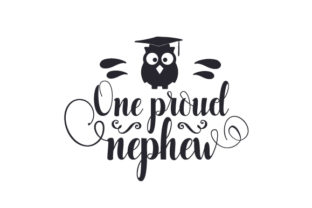
One Proud Nephew: A Designer’s Take on Family-Themed Embroidery
As an embroidery designer who has spent countless hours hooping, stitching, and unpicking, I approach every new machine embroidery design with a critical eye. It is not just about whether the image looks cute on a screen; it is about how those digital lines translate into thread on fabric. Recently, I evaluated One Proud Nephew, a design that sits squarely in the family-centric niche. For those of us running a craft business or selling on platforms like Etsy, understanding the practical application of such a design is crucial before offering it as a personalized gift or adding it to a small shop product lineup.
First Impressions and Visual Personality
The first thing that strikes you about One Proud Nephew is its clear thematic intent. It captures a specific familial bond—the pride an aunt or uncle feels for their nephew. This emotional resonance is what sells handmade products. Visually, the design likely relies on clean lines and legible typography, which is essential for readability once stitched. In the world of School Amp themed crafts or family reunions, clarity is king. If the letters are too thin or the graphics too dense, the message gets lost in the texture of the cloth.
When I look at the layout, I am assessing balance. A design like this needs to hold its own without overwhelming the garment. It feels approachable and warm, suitable for a wide range of ages, from toddler hoodies to adult tees. The mood is celebratory yet understated, making it a versatile addition to your design assets. It does not scream for attention but rather invites a closer look, which is exactly what you want in a quality embroidery project.
Real-World Application: The Sweatshirt Test
To truly judge a design, you must imagine it in a real-life scenario. I pictured One Proud Nephew stitched onto a heather grey crewneck sweatshirt. This is a bestseller in many Etsy seller shops, especially during holiday seasons or family gatherings. The texture of French terry cotton provides a stable base, allowing the threads to sit nicely on the surface.
In this context, the design performs well because it serves as a statement piece without being overly loud. Imagine a customer buying this as a holiday gift for a sibling who is expecting, or for an aunt who wants to show off her favorite little guy at a park. The finished product feels personal and thoughtful. It transforms a basic piece of custom apparel into a cherished keepsake. The versatility extends beyond sweatshirts; I can easily see this working on a canvas tote bag design for library trips or grocery runs, adding a touch of personality to everyday utility items.
Considerations for Different Fabrics and Hoops
However, not every fabric is created equal. When working with One Proud Nephew, you must consider the fabric texture and weight. On thin or stretchy fabrics, such as lightweight tri-blend t-shirts, the stitch pull can cause puckering if not managed correctly. This is where your choice of stabilizer becomes non-negotiable. A cut-away stabilizer is often safer for garments that will be washed frequently, ensuring the design remains flat and intact over time.
Another critical factor is hoop size. While the design files come in various formats, including SVG, PNG, EPS, and DXF, you must ensure the physical dimensions fit your hoop. If you are attempting to stitch this on a curved surface like a cap, you need to check the width carefully. Caps have limited vertical space, and a design that is too tall will distort or require complex positioning. For caps, I recommend testing a smaller version or ensuring the design elements are compact enough to fit within a standard 5x7 or 4x4 hoop without crowding the seams.
Technical Performance and Stitch Quality
From a technical standpoint, the transition between different stitch types defines the quality of the output. Whether the design utilizes satin stitch for borders and text or fill stitch for larger graphic elements, the density must be appropriate. Overly dense stitching can make the fabric stiff and uncomfortable, particularly on baby clothes or items worn directly against the skin. Conversely, too little density might allow the fabric background to show through, ruining the visual impact.
Since the product description mentions formats like SVG and Transparent PNG, it is important to note that these are primarily vector and raster image formats, often used for cutting machines or printing, rather than native machine embroidery files like PES or DST. If you are using this for actual machine embroidery, ensure you have the correct digitized file that corresponds to your machine brand. If you are using the SVG for heat transfer vinyl (HTV) or sublimation as part of a mixed-media crafts project, the clarity of the vectors is paramount. Always inspect the nodes in your software to ensure smooth curves and sharp corners.
Navigating Color and Contrast
Color choice can make or break the visibility of One Proud Nephew. On dark fabrics, light thread colors pop, but you must ensure there is enough contrast between the text and any graphical elements. I always advise running a test stitch on scrap fabric of the same color and weight as your final product. This allows you to check thread tension and color interaction before committing to the final piece. A printable mockup can help visualize the concept, but nothing replaces the tactile reality of thread on cloth.
For a more subtle look, consider using tonal threads—shades of the same color family. This creates a sophisticated, high-end appearance that appeals to boutique buyers. However, for maximum readability, especially if the design includes smaller text, high contrast is your friend. Black thread on white cotton or white thread on navy fleece are classic combinations that rarely fail.
Commercial Viability and Brand Consistency
For commercial embroidery professionals and digital product sellers, consistency is key. Using a design like One Proud Nephew helps build a cohesive brand identity focused on family, love, and connection. It fits naturally into collections centered around birthdays, holidays, or "just because" gifts. When customers see a well-executed design, it builds trust. They perceive the item as high-quality and professionally made, which justifies a higher price point.
Moreover, the ease of use contributes to efficiency. If the design stitches out cleanly without excessive jump stitches or thread breaks, it saves you time and materials. Time is money in a small shop product environment. A reliable embroidery file reduces waste and increases throughput, allowing you to fulfill orders faster and keep customers happy.
Final Verdict and Practical Tips
In conclusion, One Proud Nephew is a solid choice for designers looking to expand their family-themed offerings. Its strength lies in its emotional appeal and versatility across various handmade product categories. To get the best results:
- Always test on scrap fabric first to gauge stitch density and tension.
- Choose the right stabilizer for the fabric type to prevent puckering.
- Verify the file format compatibility with your specific machine or cutting device.
- Consider the end-use; avoid overly dense fills on items that need to remain soft and flexible.
- Check licensing terms if you plan to sell finished items or use the design in commercial design assets.
By paying attention to these details, you can ensure that every stitch contributes to a polished, professional finished product that customers will love and cherish. Whether for a baby embroidery project or a bold statement on an adult tee, this design has the potential to perform beautifully when handled with care and expertise.