Old School Car: A Designer's Review for Real Projects
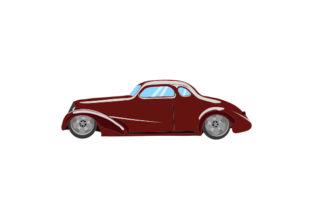
When I first pulled up the Old School Car design on my screen, I didn't just see a vector graphic; I immediately started visualizing the stitch-out. As someone who spends more time troubleshooting thread breaks than actually sewing, my first instinct is always to critique the flow. Does this look like a flat illustration, or does it have the depth required for a quality machine embroidery design? The initial impression here is strong. The lines are clean, the silhouette is iconic without being overly complicated, and the overall mood strikes that perfect balance between nostalgic charm and modern simplicity. It feels like a design that belongs in a Garage workshop but is polished enough for a boutique storefront.
Visual Personality and Project Fit
The shape and layout of Old School Car suggest a versatility that is rare in themed Crafts assets. It isn't cluttered with tiny, unnecessary details that turn into bird nests under the needle. Instead, it relies on bold shapes that translate beautifully into satin stitch borders and solid fill stitch areas. This visual personality makes it an ideal candidate for a wide range of applications. I can easily imagine this working as a centerpiece on a heavy canvas tote bag design, where the sturdy fabric supports the density of the stitching. It also has the right proportions for sweatshirt embroidery, sitting comfortably on the chest or sleeve without overwhelming the garment.
For those running a craft business, the appeal lies in its broad demographic reach. This isn't just for car enthusiasts; it's for anyone who appreciates retro aesthetics. Whether you are creating a personalized gift for a new dad, designing a line of custom apparel for a local mechanic shop, or making a cute baby embroidery piece for a nursery theme, this asset holds its own. The "old school" vibe taps into current trends where vintage automotive styles are seeing a resurgence in home decor and fashion.
Real-World Application: The Weekend Market Prep
Let's walk through a realistic scenario. Imagine you are preparing for a weekend craft fair, and you need a standout item that screams quality. You decide to create a series of embroidered patches to sell as add-ons to your main inventory. Using Old School Car, you hoop a twill backing with a heavy-duty cut-away stabilizer. Because the design features distinct sections, you can play with thread colors to create dimension—perhaps a metallic silver for the chrome details and a deep navy for the body.
Once stitched, the finished product looks professional. The edges are crisp, and the density feels substantial in the hand. A customer picks it up, impressed by the tactile quality. They might not know the difference between a running stitch and a fill stitch, but they recognize value when they feel it. This is where Old School Car shines; it elevates a simple piece of fabric into a desirable small shop product. It builds customer trust because it doesn't look like a cheap, mass-produced transfer. It looks like something made with care, which is exactly what buyers at these markets are looking for.
Navigating Fabric and Hoop Challenges
However, no design is without its quirks, and a responsible reviewer must point out where caution is needed. While Old School Car is robust, its performance depends heavily on your material choice. If you are attempting this on a stretchy jersey knit or a thin, textured linen, you need to be strategic. The stitch density appears moderate to high in the filled areas, which can cause puckering on lightweight fabrics if you don't use the right stabilizer. Always test on scrap fabric first.
Curved surfaces present another challenge. If you plan to put this on a cap, ensure your hoop size accommodates the width of the car without distorting the frame. Caps require precise registration; if the design is too wide, the sides might get lost in the curve, or the stitching could push the fabric unevenly. Similarly, pay attention to the corners of the vehicle. Sharp angles in a digital embroidery file can sometimes result in pulled threads if the machine doesn't handle the turn smoothly. Trimming jump threads carefully and ensuring proper tension will mitigate these issues.
Enhancing Brand Value and Presentation
From a branding perspective, consistency is key. If you are an Etsy seller or a digital product creator, using a cohesive set of designs helps establish your shop's identity. Old School Car fits well into a collection of retro-inspired items. When you create printable mockups for your listings, this design photographs well because of its clear definition. High-contrast images of the stitched design on dark denim or light canvas can significantly boost buyer engagement.
The professionalism of the final stitch-out directly impacts your reputation. A sloppy run of a complex design can hurt sales, but a clean execution of a well-balanced design like this builds loyalty. It shows that you understand your tools and materials. For commercial embroidery projects, such as uniform logos or promotional merchandise, this design offers enough detail to look custom without requiring excessive run times that eat into profit margins.
Practical Notes for the Studio
Before you commit to a full production run, here are a few practical steps I recommend:
- Check the File Formats: You will receive this design in SVG, Transparent PNG, EPS, and DXF. Ensure your embroidery software can import these correctly or convert them into your machine's native format without losing scale or detail.
- Thread Contrast: Test the design in black and white mockups first. If the details disappear in grayscale, you may need to adjust your thread color choices to ensure clarity on the final garment.
- Stabilizer Selection: Match your stabilizer to your fabric. For towels or plush blankets, a water-soluble topper might be necessary to prevent the stitches from sinking into the pile.
- Licensing Verification: Always confirm the licensing terms before selling finished items or digital products. Knowing whether you can use this for commercial embroidery or if it is limited to personal use is crucial for avoiding legal headaches down the road.
- Detailed Inspection: Zoom in on the small details. Are there areas where satin columns are too wide? If so, consider adding a split or a motif break to prevent sinking.
In conclusion, Old School Car is a reliable, versatile asset for any designer's library. It bridges the gap between hobbyist fun and professional utility. Whether you are making a holiday embroidery gift for a relative or stocking shelves for your online store, this design provides a solid foundation for creativity. Just remember that the file is only half the battle; your choice of fabric, thread, and technique will ultimately define the success of the project. Treat it with the respect it deserves, and it will deliver results that make your handmade product stand out in a crowded market.