Librarian: A Crafty School Amp Asset for Brands
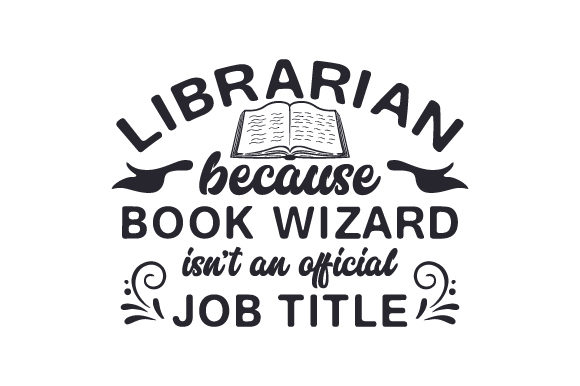
As a brand designer who has spent the last decade helping local businesses find their visual voice, I am always on the hunt for graphic design assets that offer more than just decoration. They need to tell a story. When I first opened the files for Librarian, the Original Search Engine, my immediate impression was one of nostalgic charm mixed with intellectual whimsy. This isn't just a generic clipart; it is a character-driven illustration that bridges the gap between vintage academia and modern playful branding. While the product category lists it under School Amp and Crafts, its potential extends far beyond the classroom. It possesses a unique personality that feels both friendly and authoritative, making it an excellent candidate for small business branding projects that want to stand out with a touch of wit.
Defining the Brand Mood and Personality
The mood created by Librarian, the Original Search Engine is distinctly curated and clever. It suggests a brand personality that values knowledge, discovery, and perhaps a bit of old-school romance. For a local business, this asset screams "handmade" and "thoughtful." It does not feel corporate or sterile; instead, it feels like something you would find in a boutique bookstore or a specialty coffee shop that roasts its own beans. The design leans towards the decorative and illustrative, offering a soft yet bold presence depending on how you scale it. Whether you are building a brand identity for a children's product line or a heritage skincare brand, this image brings a layer of narrative depth that plain text simply cannot achieve.
Real-World Applications for Local Business Design
In my recent work with a local independent bookstore and cafe hybrid, I envisioned using this asset as the centerpiece of their packaging design. Imagine a kraft paper coffee sleeve featuring Librarian, the Original Search Engine alongside a witty tagline about "finding your perfect blend." The versatility here is remarkable. Because you receive this design in formats like SVG File, Transparent PNG, EPS, and DXF, the possibilities for small business branding are endless.
Here is how I would deploy this across various touchpoints for a client:
- Product Labels: Perfect for jar labels on homemade jams, honey, or artisanal soaps where the theme is "natural ingredients found by experts."
- Hang Tags: A charming addition to clothing boutiques or handmade jewelry, acting as a seal of quality and curation.
- Social Media Graphics: Ideal for Instagram posts announcing new arrivals or "staff picks," creating a consistent visual language.
- Thank-You Cards: Including this in post-purchase inserts adds a personal, memorable touch that encourages repeat business.
- Menu Graphics: For cafes or bakeries, using it to highlight signature items creates a fun, engaging dining experience.
- Seasonal Campaign Visuals: Adaptable for back-to-school promotions or holiday gift guides, leveraging its academic aesthetic.
Elevating Product Presentation and Customer Trust
The primary goal of any commercial design project is to build trust. When a customer picks up a product with professional, cohesive marketing visuals, they immediately perceive higher value. Librarian, the Original Search Engine supports this by providing a stronger first impression. It helps establish a clearer visual hierarchy on crowded shelves, drawing the eye away from competitors. For a local business, consistency is key. Using this asset across your product mockup images, website banners, and physical printable design materials ensures that your brand looks polished and intentional. It fosters an emotional connection; customers aren't just buying a product, they are buying into the story of discovery and care that the librarian character represents.
Strategic Placement and Usage Constraints
While this asset is powerful, it must be used strategically. It works best as a hero graphic or a decorative brand element on product labels and packaging accents. It shines on promotional banners and boutique visuals where there is enough white space to let the illustration breathe. However, caution is required. I would advise against using it in formal corporate branding where a minimalist, sans-serif approach is standard. Furthermore, avoid placing it on very small labels where the details might get lost during printing, or in ingredient-heavy layouts where it could compete with legal information. It is not suitable for luxury minimalist brands that rely on extreme simplicity, nor should it be placed on low-contrast backgrounds where the lines of the SVG design or PNG design might become indistinct.
Practical Notes for the Professional Designer
Before integrating Librarian, the Original Search Engine into a client project, there are several technical steps I always take. First, test it on real product mockups to see how the lines translate to physical materials like glass, paper, or fabric. Check the black and white usage to ensure it holds up without color, which is crucial for cost-effective stamping or embossing. Preview the asset on small labels to confirm legibility.
Since the file includes an SVG File and EPS, you have the advantage of vector editability. This means you can adjust colors to match specific brand palettes effortlessly. Test it beside various typography styles—a classic serif font often complements this look beautifully, but a clean sans serif can create a nice modern contrast. Always review the Transparent PNG for edge quality to ensure no halos appear on colored backgrounds. Finally, and most importantly, confirm the commercial license terms. Ensure you have the rights to use these design assets for client work, business branding, and physical product sales. This due diligence protects both you and your client, ensuring that your professional branding efforts are built on a solid legal foundation.
In conclusion, Librarian, the Original Search Engine is more than just a digital product; it is a versatile tool for storytelling. Whether you are a handmade business owner creating editorial design for a lookbook or a marketer developing web design elements, this asset offers a unique blend of charm and utility. By understanding its strengths and limitations, you can leverage it to create a brand identity that resonates deeply with your audience, turning casual browsers into loyal customers.